
Choosing the Right Cameras for Your Business: A Guide for Shops, Cafeterias, Clinics, and Hospitals
- November 5, 2025
- CCTV Installation Services, Dubai
A Practical Guide for Shops, Cafeterias, Clinics, and Hospitals
Security cameras are no longer just about watching entrances. For many businesses today, especially in places like shops, cafeterias, clinics, and hospitals, CCTV cameras play a role in safety, accountability, operations, and peace of mind.
However, one common mistake businesses make is choosing cameras based only on price or brand, without considering how the space is actually used. The result is often poor coverage, blind spots, or footage that isn’t helpful when it’s really needed.
This guide explains how to choose the right cameras based on your type of business, in simple and practical terms.
Start with Understanding Your Business Environment
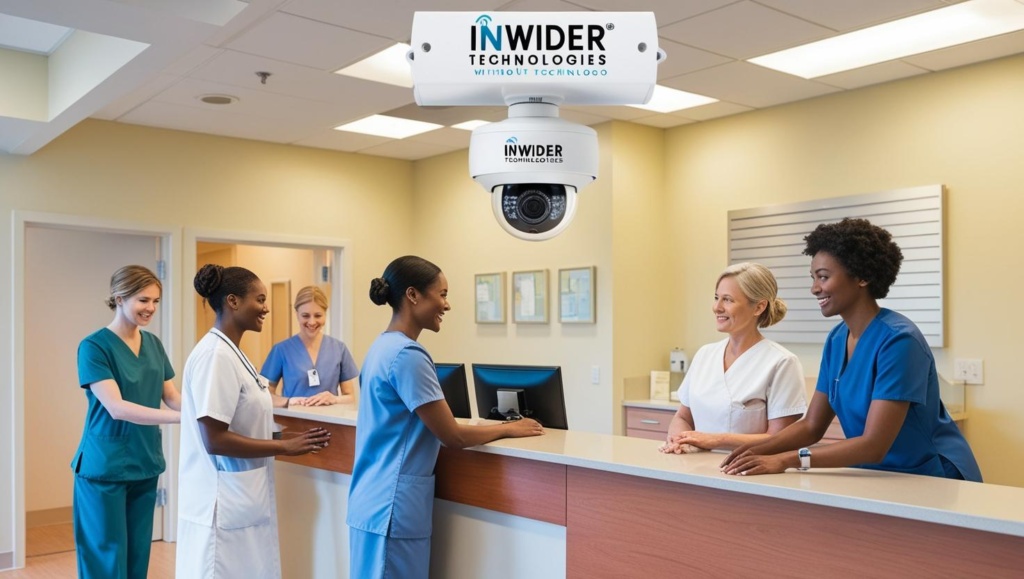
Every business has different security needs. A retail shop is concerned about theft and cash counters, while a clinic focuses more on patient safety and controlled access. Before selecting cameras, it’s important to understand what you want to monitor and why.
Ask yourself:
- Do I need to monitor customers, staff, or both?
- Are there sensitive areas that need limited access?
- Do I need clear facial recognition or just general monitoring?
- Will cameras be used indoors, outdoors, or both?
Clear answers to these questions make camera selection much easier.
Camera Selection for Shops and Retail Stores
Retail environments need cameras that focus on customer movement, cash counters, shelves, and entry/exit points.
For shops, important camera features include:
- High-resolution cameras for clear facial details
- Wide-angle coverage for aisles and shelves
- Cameras positioned near cash counters
- Good low-light performance for evening hours
Dome cameras are commonly used in shops because they are discreet and difficult to tamper with. A well-placed camera setup not only helps in theft prevention but also discourages unwanted behavior.
CCTV Needs for Cafeterias and Restaurants
Cafeterias require a balance between security and privacy. The goal is not constant surveillance of customers, but protection of staff, cash areas, kitchens, and entrances.
Key areas to cover include:
- Cash counter and billing area
- Kitchen and food preparation zones
- Entry and exit points
- Storage and staff-only areas
Cameras with good indoor lighting performance and stable recording are usually sufficient. Audio recording is generally avoided to respect privacy. Proper camera placement ensures safety without making customers uncomfortable.
Choosing Cameras for Clinics and Medical Centers
Clinics require special care when installing CCTV systems. Patient privacy, legal compliance, and controlled access are critical.
Recommended camera features for clinics:
- Clear video without audio recording
- Cameras at entrances, reception areas, and corridors
- Restricted access monitoring for medicine storage
- Reliable recording with secure data storage
Cameras should never be installed in consultation rooms or treatment areas unless legally permitted and strictly necessary. Professional planning is essential to ensure compliance and patient trust.
CCTV Systems for Hospitals
Hospitals are complex environments that require structured and scalable CCTV solutions. Unlike small clinics, hospitals need continuous monitoring across multiple departments.
Important considerations include:
- Coverage of entrances, emergency areas, and corridors
- Monitoring of restricted zones and staff-only areas
- Integration with access control systems
- High-capacity storage for longer recording periods
In hospitals, camera reliability is critical. Systems must operate without interruption, as footage may be required for incident reviews or security investigations.
Indoor vs Outdoor Cameras
Choosing the right camera also depends on where it will be installed.
Indoor cameras focus on:
- Clear image quality
- Wide viewing angles
- Discreet design
Outdoor cameras require:
- Weather resistance
- Night vision capability
- Protection against dust and heat
- Strong mounting to prevent tampering
Using indoor cameras outdoors or vice versa often leads to system failure or poor performance.
Importance of Professional Installation
Even the best cameras can fail if they are installed incorrectly. Poor angles, exposed cabling, or incorrect configuration reduce the effectiveness of the entire system.
Professional CCTV installation ensures:
- Correct camera placement
- Clean and secure cabling
- Proper configuration and testing
- Reliable long-term performance
A well-installed system not only records events but actually helps prevent problems before they happen.
At CCTVServices.ae, we believe security should be reliable, simple, and properly planned — not confusing or rushed. We are a Dubai-based CCTV installation and security solutions provider, helping homes and businesses protect what matters most. With hands-on experience across residential, commercial, and industrial projects, we understand that every site is different. That’s why we don’t offer one-size-fits-all solutions. Instead, we assess your location, understand your requirements, and design a CCTV system that actually works for you.
About us and this blog
Inwider Technologies LLC is a leading provider of professional CCTV installation services in Dubai, Sharjah, and Ajman. Whether you're looking to secure your home, business, or industrial site, our team delivers advanced surveillance solutions tailored to meet your specific security needs.
Request a free quote
With Inwider Technologies LLC, you can trust that your security is in capable hands. Contact us today for professional CCTV installation services in Dubai, Sharjah, and Ajman, and experience the peace of mind that comes with advanced surveillance solutions.
Looking for CCTV installation services ?
More from our blog
See all posts
Warning: Trying to access array offset on value of type bool in /home/noe03nzg/cctvservices.ae/wp-content/plugins/live-composer-page-builder/modules/posts/module.php on line 6110
Warning: Trying to access array offset on value of type bool in /home/noe03nzg/cctvservices.ae/wp-content/plugins/live-composer-page-builder/modules/posts/module.php on line 6110
Warning: Trying to access array offset on value of type bool in /home/noe03nzg/cctvservices.ae/wp-content/plugins/live-composer-page-builder/modules/posts/module.php on line 6110
Warning: Trying to access array offset on value of type bool in /home/noe03nzg/cctvservices.ae/wp-content/plugins/live-composer-page-builder/modules/posts/module.php on line 6110
Warning: Trying to access array offset on value of type bool in /home/noe03nzg/cctvservices.ae/wp-content/plugins/live-composer-page-builder/modules/posts/module.php on line 6110
Warning: Trying to access array offset on value of type bool in /home/noe03nzg/cctvservices.ae/wp-content/plugins/live-composer-page-builder/modules/posts/module.php on line 6110